
Industry · Automotive
Durable identification for automotive parts and assemblies
Apply production, traceability, and branding marks on metals, plastics, and assemblies with MARKTECH laser and continuous inkjet systems built for industrial lines.
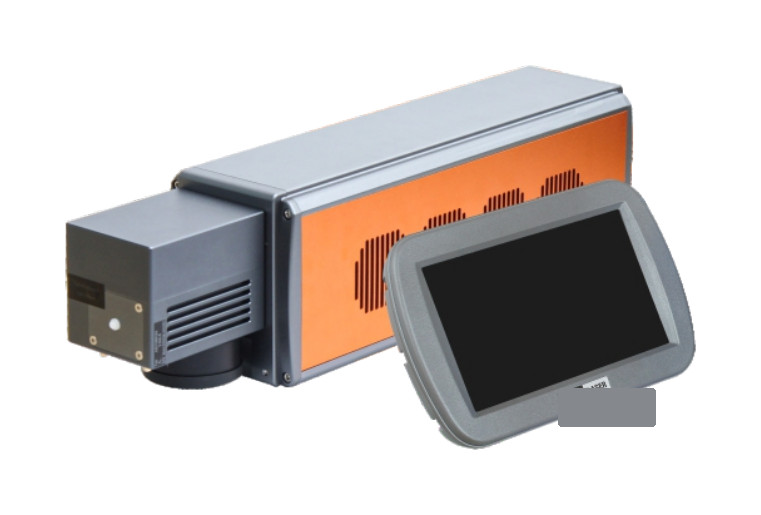
Automotive suppliers need marks that stay readable through assembly, handling, and the life of the part. MARKTECH covers both permanent laser identification and non-contact inkjet coding for components, sub-assemblies, and packaging.
Where marks are typically applied
- Permanent part identification on metals and some treated non-metals with the L2000 Series fiber laser
- Plastics and selected components with the 4005 compact UV or L3000 Series UV
- Oversized or fixed parts at a rework station with the handheld laser platform
- Date, lot, and variable codes on parts or packaging with Cx-series or RX680 CIJ
Permanence versus line coding
If the mark must remain for the product lifecycle, start with laser. If you need high-speed date or lot content on mixed substrates — including curved, oily, or uneven surfaces — continuous inkjet is often the practical line choice. See permanent part marking and date and lot coding for a closer look at each job.
What we need to recommend a setup
Share the substrate, required content (text, logo, or 2D code), available cycle time, and whether the part is moving or presented in a fixture. MARKTECH does not claim industry certifications on your behalf; our role is to supply capable hardware and work with your team on samples for the selected configuration.
Typical automotive marks
Tier-supplier and assembly work usually calls for a permanent part identifier, a lot or date code, a 2D traceability code, or a brand or logo mark on the component. Packaging around those parts may still need conventional date, lot, or barcode content — a separate job from the mark on the metal or plastic itself. See permanent part marking, branding and logos, and date and lot coding.
Why these platforms are the usual starting points
L2000 Series fiber is the usual laser starting point for most metals and some treated non-metals, including PVC, HDPE, foil, rubber, and plastics as listed in official literature. The 4005 compact UV marker or L3000 Series UV is the usual starting point for plastics and selected components. The handheld laser is for oversized or fixed parts and rework stations where a fixed head cannot be positioned. Cx-series or RX680 CIJ printers remain the practical choice for high-speed date or lot content on mixed, curved, oily, or uneven surfaces, with official Cx-series line speed up to 315 m/min for 1–5 lines.
What to send for a quote
- Substrate and any coating or surface treatment, plus a sample or clear photos
- Required content — text, logo, or 2D code — and approximate mark size
- Available cycle time, and whether the part is moving, presented in a fixture, or must be marked in place
- If packaging is in scope as well, line speed and pack samples for that job, specified separately from the part mark
MARKTECH does not claim industry certifications on your behalf. Send the details through the inquiry form so a configuration can be sampled on the actual material.
Request a quote
Planning a part-marking cell?
Tell us about the metal or plastic, the mark layout, and how the part is presented. We can recommend a laser or CIJ starting point.